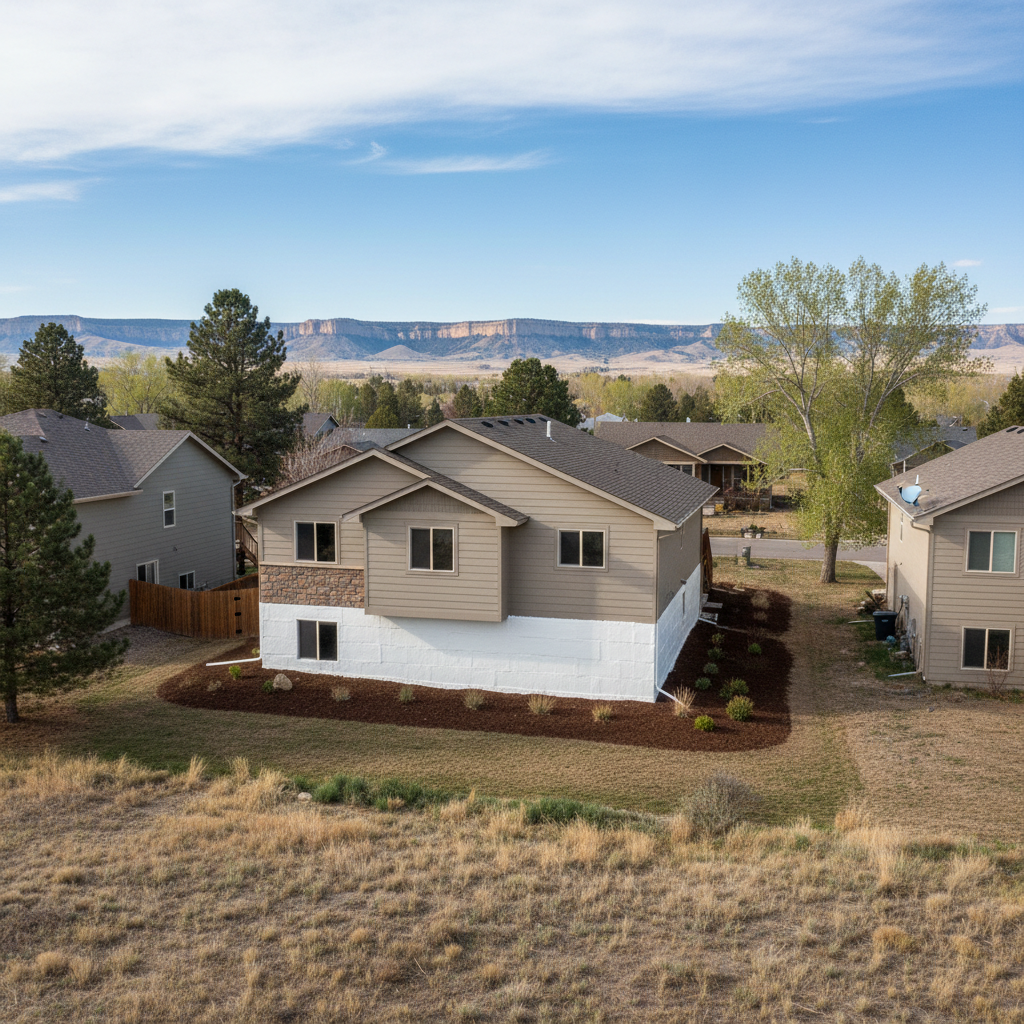
You've got a basement, right? Most folks in Billings do. And if you're like a lot of homeowners I talk to, you might think of that space as just storage, or maybe a spare room that's always a little chilly. But what if I told you that properly insulating your basement isn't just about keeping warm in January? It's a year-round game-changer for your whole house.
Why Your Billings Basement Needs Insulation
Look, our weather here in Billings is wild. We get those brutal cold snaps where the mercury dips way below zero, and then we have summers where it can hit triple digits. Your basement is basically a big concrete box in the ground, and concrete is a terrible insulator. It lets cold seep in during winter and cool air escape during summer. That means your furnace and AC are working overtime, trying to keep up, and you're paying for it.
I've seen it time and again, especially in older homes in areas like the North Side or the Heights. Folks are running their furnaces constantly, and their basements are still drafty. Or they've finished out a basement for extra living space, but it never feels quite right. That's usually an insulation problem.
More Than Just Warmth: The Real Benefits
Beyond just saving you money on your energy bills – and trust me, those savings can be significant – there are other big reasons to insulate your basement:
- Comfort, plain and simple: When your basement is properly insulated, it moderates the temperature down there. No more freezing floors or clammy air. That makes your entire home feel more comfortable, not just the basement.
- Moisture control: This is huge, especially around here. Our soil can be clay-heavy, and we get plenty of moisture. Insulating your basement walls, particularly with the right materials, can help manage condensation and reduce the risk of mold and mildew. That's a big deal for air quality and the longevity of your home.
- Noise reduction: Ever notice how sounds carry in an unfinished basement? Insulation helps dampen that noise, making your home quieter overall. If you've got a busy family or just want some peace, it makes a difference.
- Protecting your pipes: We've all heard stories, or maybe even experienced, burst pipes in the winter. Insulating those exterior basement walls adds a layer of protection, keeping your pipes from freezing solid when those Montana winds really howl.
What Kind of Insulation is Best?
This isn't a one-size-fits-all deal. For basements, you're usually looking at a few options, and the best choice depends on your specific situation, like if your basement is finished or unfinished, and what your moisture situation looks like. We often use things like rigid foam boards, spray foam, or even batt insulation with a vapor barrier. Each has its pros and cons.
For example, spray foam is fantastic for sealing up all those little cracks and gaps, creating a really tight thermal envelope. It's great for moisture control too. Rigid foam boards are also excellent for exterior walls, offering good R-value and moisture resistance. You don't want to just slap up some fiberglass batts against a bare concrete wall without considering moisture, because you're asking for trouble down the road.
Why Local Expertise Matters for Billings Basements
This is where Apex Insulation Co. comes in. We're not some out-of-state crew who just shows up with a truck. We live and work right here in Billings. We understand the specific challenges of our climate – the extreme temperature swings, the soil conditions, even the common construction styles of homes built in the 50s, 60s, and 70s around places like Shiloh or Alkali Creek. We know what works and what doesn't work in this specific environment.
You want someone who understands how our cold winters impact concrete, or how spring runoff can affect basement humidity. We've seen it all, and we know how to recommend the right solution for your home, not just a generic fix. Getting it right the first time saves you headaches and money in the long run. Don't guess when it comes to your home's foundation and comfort; get a local expert involved.