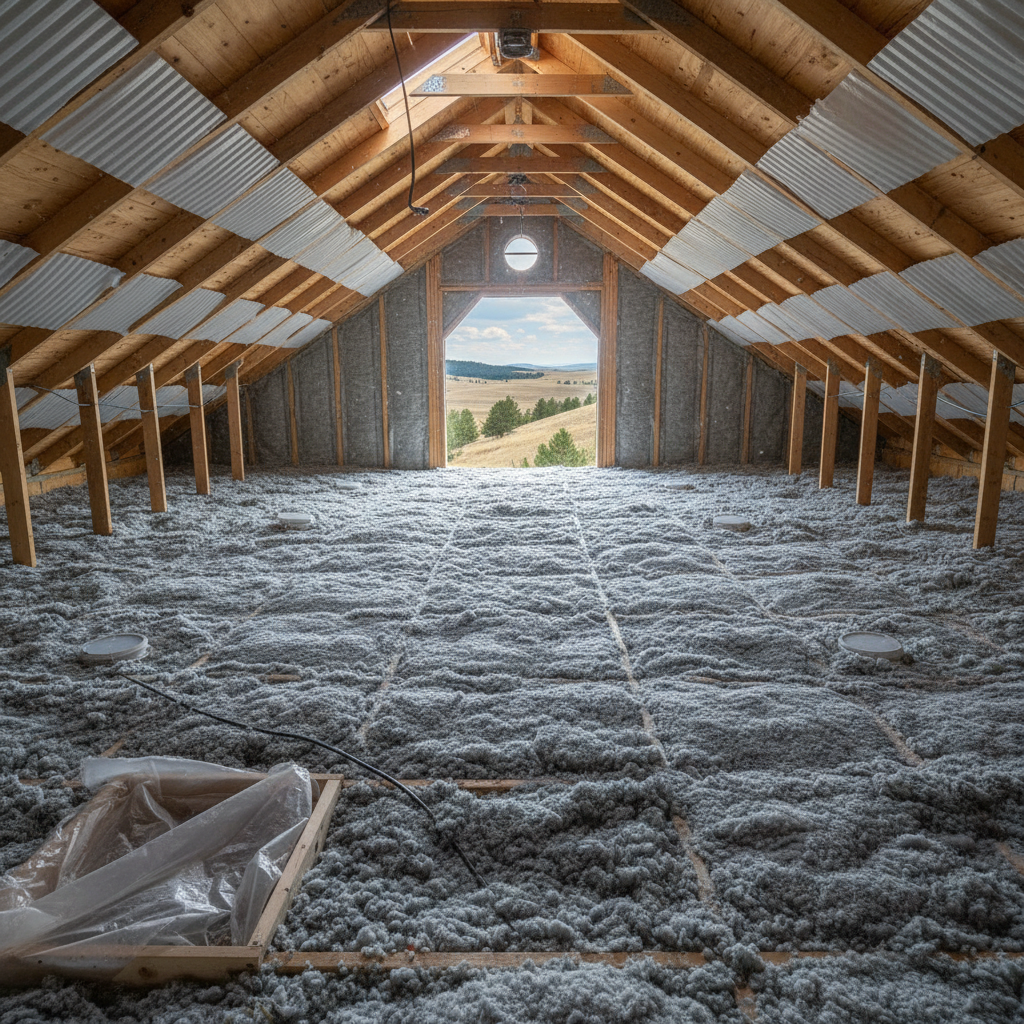
Thinking about your attic insulation, are we? Maybe you've got drafts, those sky-high energy bills, or you're just plain sick of that one room being an icebox in winter and an oven in summer. Smart move. Attic insulation is honestly one of the best investments you can make in your home. But here's the kicker: I've seen folks right here in Billings mess this up in some pretty common ways. And it always ends up costing them more time, more money, and way more headaches than it should.
Ignoring Air Sealing First
This is probably the biggest blunder I see, hands down. People get all hyped up about R-value and blowing in tons of insulation, but they completely skip air sealing. Think of your attic like a leaky bucket, okay? You can pour all the water you want into it, but if there are holes, it's still going to drain out. Your house's air works the same way. Warm air from your living space sneaks into the attic through gaps around plumbing stacks, electrical wires, recessed lights, and especially around the attic hatch itself. Then, cold air gets sucked in from outside. You can pile insulation a mile high, but if you haven't sealed those leaks, you're still losing a ton of conditioned air and just throwing money away.
Before you even think about adding more insulation, grab a flashlight and a can of foam or some caulk and get up there. Look for any spots where things poke through from the living space below and seal them up. And don't forget that pull-down attic stair or access panel – those are huge culprits for air leaks, believe me. If you're hiring someone, make sure air sealing is a core part of their plan, not just an afterthought.
Picking the Wrong Type of Insulation for the Job
There's a reason we have different kinds of insulation, you know? What works great in one spot might be a terrible choice for another. For attics, blown-in cellulose or fiberglass are usually what we recommend for existing homes. Why? Because they can really fill irregular spaces and get into all the nooks and crannies. But sometimes I see people try to just lay down some fiberglass batts over existing, older insulation that's settled or uneven. That leaves gaps, and it definitely doesn't give you a continuous thermal barrier. Or they'll use batts in an attic with a lot of obstructions, which means they're constantly cutting and fitting, creating even more opportunities for air gaps.
Then there's spray foam. It's fantastic for air sealing and adding R-value, no doubt, but it's a bigger investment and needs to be applied just right. If you've got an older home in, say, the Alkali Creek area, with an attic that's never been touched, you might have some really old, dusty stuff up there. Just blowing new material on top without considering what's underneath or how it interacts with the old stuff can be a big mistake.
Not Checking for Moisture or Ventilation Issues
Before you seal up your attic with fresh insulation, you absolutely, positively have to make sure it's dry and well-ventilated. Trapping moisture in your attic is a recipe for disaster – mold, mildew, rot, and ruined insulation. I've seen it happen more times than I care to count. If you've got leaky spots in your roof, get those fixed first. And if your bathroom fans are venting into the attic instead of outside, that's a huge problem that needs to be corrected immediately. Seriously.
Proper attic ventilation is crucial, especially with our hot summers and cold winters here in Billings. It helps prevent ice dams in winter and keeps your attic from turning into an oven in summer, which can really cook your shingles. Make sure your soffit vents aren't blocked by existing insulation, and that you have adequate ridge or gable vents to create airflow. If you're adding a lot of insulation, you might need to add baffles to ensure that airflow path stays clear.
DIYing Without Knowing What You're Doing
Look, I'm all for homeowners tackling projects themselves. It can save money, sure, and give you a real sense of accomplishment. But attic insulation isn't always as straightforward as it looks on a YouTube video. There are safety concerns – working in a hot, dusty attic, dealing with electrical wires, falling through the ceiling. Plus, getting the right R-value, ensuring even coverage, and properly air sealing takes practice and the right equipment.
I've been on call-outs where someone tried to do it themselves, didn't seal properly, or didn't get enough insulation in the corners, and they end up calling us at Apex Insulation Co. to fix it anyway. Sometimes it's just cheaper in the long run to hire a professional who knows the ins and outs, has the right gear, and can get it done efficiently and correctly the first time. We know what to look for, from hidden air leaks to proper ventilation, and we'll make sure your investment pays off.
Not Getting Multiple Quotes or Understanding the Scope
Don't just go with the first company that gives you a number. Get at least three quotes, if you can. But don't just compare the bottom line, okay? Really understand what each quote includes. Does it cover air sealing? What R-value are they proposing? What type of insulation? Are they going to remove old insulation if needed? Are they addressing ventilation? A cheaper quote might be cheaper because it's skipping crucial steps that will cost you more later.
Ask questions. A good contractor will be happy to explain their process and justify their recommendations. If someone tries to rush you or can't clearly explain what they're doing, that's a red flag. You're making a significant investment in your home's comfort and efficiency, so take the time to do your homework and make an informed decision.
Thinking Insulation is a Magic Bullet
While attic insulation is incredibly effective, it's not going to solve every energy problem in your house. If your windows are old and leaky, or your walls are completely uninsulated, you'll still have energy loss. Insulation is part of a whole-home approach to energy efficiency. Address the biggest issues first, and attic insulation is usually high on that list, but keep the bigger picture in mind.
By avoiding these common mistakes, you'll be well on your way to a more comfortable home and lower energy bills. It's about doing it right the first time, isn't it?