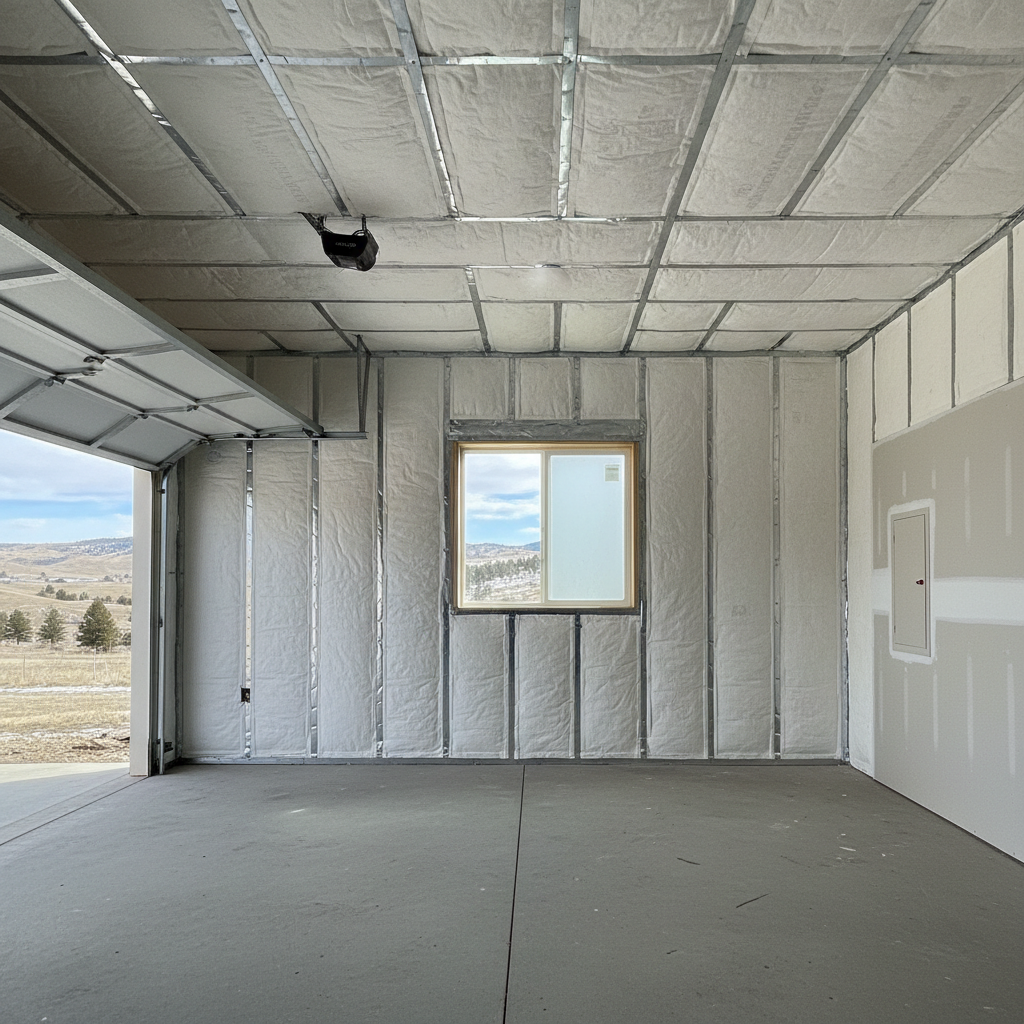
Insulating your garage sounds like a no-brainer, right? Keeps the heat in, the cold out, makes it a more usable space. But I've seen plenty of homeowners around Billings trip up when they're planning or hiring for this kind of project. It's not rocket science, but there are definitely some pitfalls you want to steer clear of if you don't want to regret it later.
Thinking All Insulation Is the Same (It's Not)
This is probably the biggest one. People hear 'insulation' and they think 'pink fluffy stuff' or maybe 'spray foam.' They don't dig into the specifics, and that can really bite you. For a garage, especially if it's attached to your house, you've got different needs than, say, insulating your attic or a crawl space. You're dealing with a space that's often unheated, has big doors, and can see huge temperature swings.
For garage walls and ceilings, you need something that can handle those extremes and provide a good R-value without breaking the bank. Batt insulation is common, sure, but you've got to make sure it's installed right – no gaps, no compression. For garage doors, you're usually looking at rigid foam panels or specialized kits. Trying to stuff fiberglass batts into a sectional garage door is just asking for trouble; it'll get wet, compress, and lose its effectiveness fast. I've seen folks try to DIY this with cheap materials, and it just doesn't last, especially with our Billings winters and those brutal winds whipping through.
Ignoring the Garage Door Itself
You can insulate the walls and ceiling of your garage perfectly, but if you leave the garage door as a big, uninsulated thermal hole, you're wasting your time and money. Think about it: that's often the largest opening in your garage. A lot of homeowners just focus on the perimeter, forgetting that massive slab of metal or wood that goes up and down.
If your garage door isn't insulated, or if it's old and leaky, you're going to feel it. Cold air will pour in, and conditioned air will escape. You need to consider upgrading to an insulated door or adding insulation panels specifically designed for garage doors. And don't forget the weatherstripping around the door frame and the bottom seal. Those wear out over time, and they're crucial for keeping drafts out. I've been on calls where people complain their garage is still freezing, and it's always the door seals or the door itself letting them down.
Underestimating Air Sealing
Insulation slows heat transfer, but air sealing stops airflow. You can put in the thickest insulation in the world, but if air is still whistling through cracks and gaps, you're losing a ton of efficiency. This is a huge mistake I see people make. They think insulation alone will do the trick.
Before any insulation goes in, you need to seal up all those penetrations. Think about where your garage walls meet the foundation, where electrical outlets and light fixtures are, around windows, and especially where the garage connects to the house. Use good quality caulk and expanding foam. This is especially important in older homes in areas like the South Side or the Heights where foundations might settle a bit, creating small gaps over the years. Air sealing is often overlooked, but it's a critical step for a truly effective insulation job.
Hiring the Wrong Crew (or DIYing It Poorly)
Look, I'm all for DIY if you know what you're doing. But insulation, especially in a garage, has to be done right. If it's compressed, gapped, or installed incorrectly, it won't perform. I've seen batt insulation just stuffed in, leaving huge air pockets or compressing it so much it loses its R-value. Or spray foam that's applied unevenly, leaving thin spots.
If you're not confident, hire someone who knows what they're doing. And I'm not just saying that because I run Apex Insulation Co. I say it because I've seen the aftermath of bad jobs. Ask for references, make sure they're licensed and insured, and get a clear quote. Don't just go with the cheapest bid without understanding what you're getting. A good contractor will talk to you about air sealing, material choices, and how to maximize your garage's energy efficiency, not just slap some stuff in and call it a day.
Forgetting About Ventilation (Especially for Attached Garages)
This is less about thermal performance and more about safety and comfort. If you're insulating your garage, especially if it's attached to your house, you need to think about ventilation. Garages are where we store chemicals, run cars, and do projects that can create fumes. Insulating and air sealing can trap those fumes inside, which isn't good for anyone.
Make sure you have adequate ventilation, whether it's a window you can open, a dedicated exhaust fan, or even just making sure your garage door seals aren't so tight that they prevent any air exchange. You want to keep the heat in, but you don't want to trap harmful air. It's a balance, and a good insulation plan considers both.
So, before you jump into insulating your garage, take a step back. Think about these common mistakes. A little planning and attention to detail now can save you a lot of headaches and money down the road, and you'll end up with a garage that's actually comfortable and efficient.