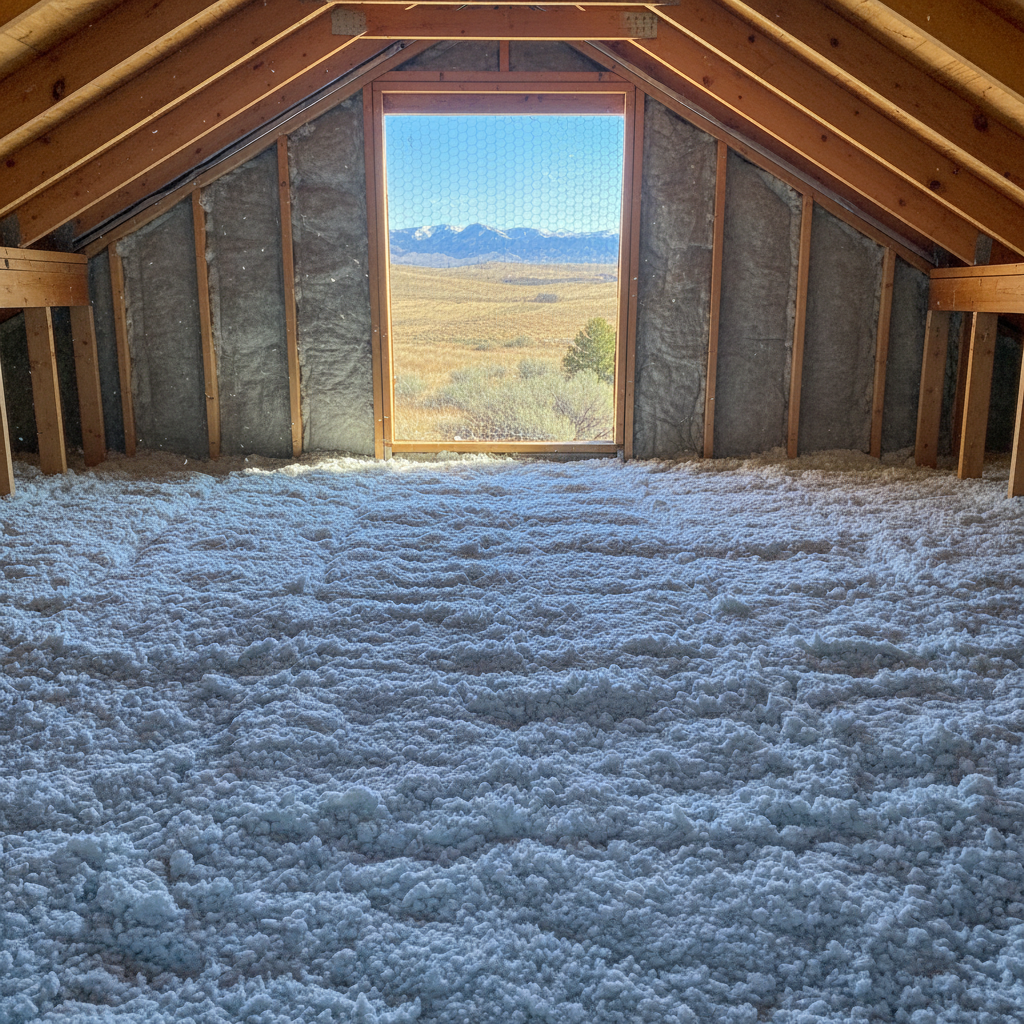
Your Attic Insulation: A Smart Investment
You shelled out good money for your attic insulation, right? Whether it's blown-in fiberglass, cellulose, or even some batt insulation, its main job is to keep your home warm when it's freezing and cool when it's baking. But here's the thing: it's not really a "set it and forget it" kind of deal. A little bit of attention can make that insulation last way longer and keep doing its job efficiently. We're talking about getting more years out of it, spotting problems early, and knowing when to bring in the pros.
Making Your Insulation Last Longer
The absolute best thing you can do to extend your insulation's life is to keep it dry and leave it alone. Moisture, that's enemy number one. If your roof springs a leak, even a tiny one, that water will soak into your insulation, flatten it, and completely mess up its R-value. So, checking your roof regularly is super important, especially after those huge snowfalls or hailstorms we get here in Billings. Oh, and make sure your gutters are clean and draining away from the house, too. You really don't want water backing up and finding its way into your soffits.
Another tip? Don't squish it. If you're up in the attic for any reason—maybe you're running a new cable or just checking something out—try not to step right on the insulation. Use plywood boards to make walkways if you've got to move around a lot. Insulation that gets compressed just loses its effectiveness, plain and simple.
Finally, keep critters out. Mice, squirrels, birds—they just love making nests in insulation. They'll tunnel through it, pack it down, and leave droppings that can cause smells and health risks. Seal up any entry points you find around your roofline or eaves. A little bit of prevention really goes a long way here, doesn't it?
Quick Maintenance Checks
You don't need to be up in your attic every month, but a yearly check-up? That's a smart move. I usually tell folks to do it in the fall before it gets too cold, or in the spring once all the snow's gone. Grab a flashlight and look for a few key things:
- Even Coverage: Does the insulation look consistent everywhere? Are there any bare spots, or areas that seem much lower than the rest?
- Signs of Moisture: Look for dark stains, mold, or a musty smell. That's a huge red flag.
- Pest Activity: Keep an eye out for droppings, nests, or insulation that looks chewed up. Sometimes you might even hear critters up there.
- Ventilation: Make sure your soffit and ridge vents aren't blocked by insulation. Good airflow is vital, especially with our wild temperature swings. If you've got those little baffles in place, check they're doing their job.
- Recessed Lights: If you have older recessed lights (the ones not rated for insulation contact), make sure there's space around them. Insulation too close can be a fire hazard. Newer IC-rated lights can touch insulation directly, but it's always smart to double-check.
Signs You Might Have a Problem
Beyond what you see in the attic, your house will actually tell you if something's wrong. Pay attention to:
- Higher Energy Bills: If your heating or cooling costs suddenly jump without you using more energy or utility rates changing, your insulation might be failing.
- Uneven Temperatures: Are some rooms much colder or hotter than others, even when the thermostat's set the same? That points to poor insulation or air leaks.
- Drafts: Feeling cold drafts, especially near ceilings or interior walls? That could mean air is moving where it shouldn't be.
- Ice Dams: This is a big one for us in Montana. If you're seeing significant ice dams forming on your roof edges in winter, it usually means heat is escaping into your attic, melting the snow, and then refreezing at the colder eaves. That's a classic sign of insulation that's not doing its job, or there just isn't enough of it.
- Pest Sounds: Hearing scratching or scurrying in your ceiling or walls? Time to investigate.
When to Call a Professional
Look, not everyone wants to crawl around in their attic, and honestly, who can blame them? If you spot any of those warning signs I just mentioned, or if your yearly check-up turns up something you're not comfortable handling, it's time to call in the pros. Things like serious moisture damage, ongoing pest problems, or big areas of squashed or missing insulation really need an expert's touch.
We at Apex Insulation Co. deal with these kinds of issues all the time. We can come out, do a thorough inspection, figure out what's causing the problem, and give you an honest assessment of what needs doing. Sometimes it's a simple fix; other times, it might mean adding more insulation or sorting out a ventilation issue. Don't let a small problem snowball into a big, expensive mess. A little proactive care now can save you a lot of headaches and money down the road.